Free streaming is funded by advertising, so it means ads and usually smaller catalogues and lower quality, while paid streaming charges a subscription for bigger libraries, 4K HDR and no or fewer ads. Both can be completely legal — the difference is the funding model, not legitimacy. This guide explains the real trade-offs, what you can watch free and legally in Europe, and how to build a strong, low-cost mix of the two.
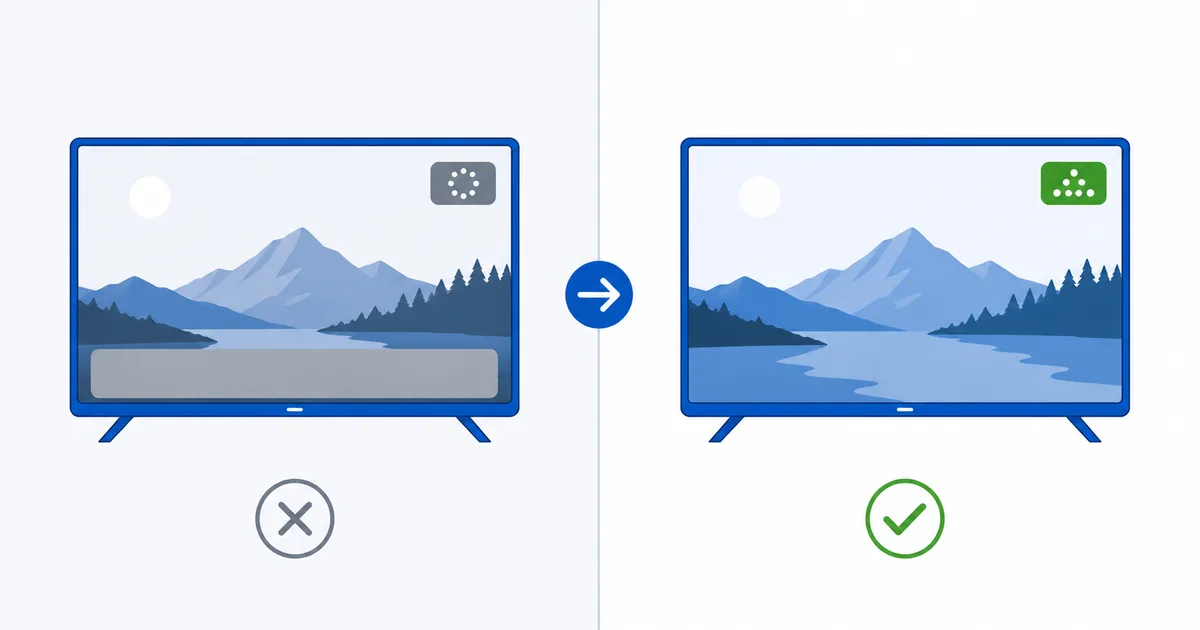
The Core Trade-Off
The divide is simple: someone pays either way. With free services, advertisers pay and you watch ads; with paid services, you pay and (usually) skip them. That funding choice ripples into everything else:
- Catalogue size — paid libraries are generally larger and fresher.
- Quality — paid tiers offer up to 4K HDR; free tiers often cap at HD or SD.
- Ads — free means ads; paid ranges from ad-supported (cheaper) to ad-free.
- Features — downloads, multiple streams and profiles skew to paid.
Neither is “better” universally — it depends on what and how you watch.
Free vs Paid Compared
| Factor | Free (ad-supported) | Paid (subscription) |
|---|---|---|
| Cost | €0 | Monthly fee |
| Ads | Yes | None or optional |
| Catalogue | Smaller, older-leaning | Larger, latest releases |
| Max quality | Often HD/SD | Up to 4K HDR |
| Downloads | Rare | Common |
| Best for | Casual, budget viewing | Specific catalogues, quality |
The takeaway: free services are a genuinely good base layer, while paid services add depth, the newest content and quality on top.
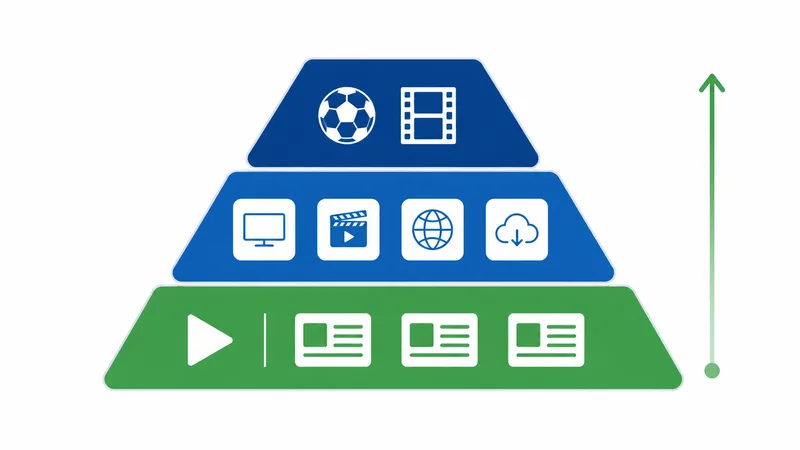
What's Free and Legal
Plenty is available free and legal — the trick is sticking to legitimate sources:
- Public broadcaster apps — Europe’s Mediatheken and catch-up services (news, documentaries, acclaimed drama), publicly funded and often ad-light.
- Ad-supported services and FAST channels — free tiers and live “free ad-supported TV” from major platforms.
- Free-with-ads movie libraries and YouTube.
Stay legal: a "free" service offering every premium channel, live sport and new-release films with no ads is not legitimate — the same red flags as unlicensed IPTV. Real free streaming is ad-funded or publicly funded. WatchlyGuide covers licensed sources only.
Our country guides — like streaming in Germany and streaming in France — list the free legal services worth using in each market.
When It's Worth Paying
Pay when free simply can’t deliver what you want:
- You want a specific large catalogue or a platform’s exclusives/originals.
- You want the latest shows and films as they release.
- You want 4K HDR quality and an ad-free experience.
- You want downloads for travel and reliable multi-device viewing.
If you mostly watch news, documentaries and older titles, free legal services may cover most of your viewing — and you can pay for just one or two things on top.
Building the Best Mix
The lowest-cost, highest-value approach blends both:
- Start with the free base — public broadcaster apps plus a couple of ad-supported services.
- Add one or two paid services chosen for the catalogues you actually watch.
- Rotate subscriptions month to month — subscribe for a season, then cancel.
- Use ad-supported paid tiers to cut cost where ads don’t bother you.
- Share family plans within a household and cancel anything idle.
Pair this with the right hardware — see smart TV vs streaming device — and you get a wide, legal catalogue for a modest monthly spend.
The Bottom Line
Free streaming trades ads and smaller catalogues for a €0 price, while paid streaming buys bigger libraries, 4K HDR and an ad-free experience — and both are legal when the source is legitimate. The smartest setup uses free public and ad-supported services as a base, then adds one or two paid subscriptions you rotate as needed. That keeps a rich catalogue on screen without an ever-growing monthly bill.
Look up any unfamiliar term in the streaming glossary, or plan a full switch in our cord-cutting guide for Europe.